Transforming Static Images into Dynamic Videos: A Comprehensive Look at AI-Powered Content Creation
The New Frontier of Content Creation: Bringing Images to Life with AI
The digital content landscape is undergoing a radical shift. In an era where audience attention is the ultimate currency, static images, while powerful, often struggle to compete in the relentless scroll of social media feeds and marketing channels. The demand for dynamic, engaging video content is at an all-time high, yet the traditional video production process remains a significant bottleneck, often requiring considerable time, technical skill, and financial resources. This disparity between demand and accessible creation tools has created a perfect opportunity for artificial intelligence to democratize the process. Emerging platforms are now empowering creators of all levels to break free from these constraints, offering intuitive solutions that bridge the gap between a simple idea and a polished, moving visual. This evolution marks a pivotal moment, putting professional-grade animation and effects into the hands of bloggers, small business owners, and social media enthusiasts alike.
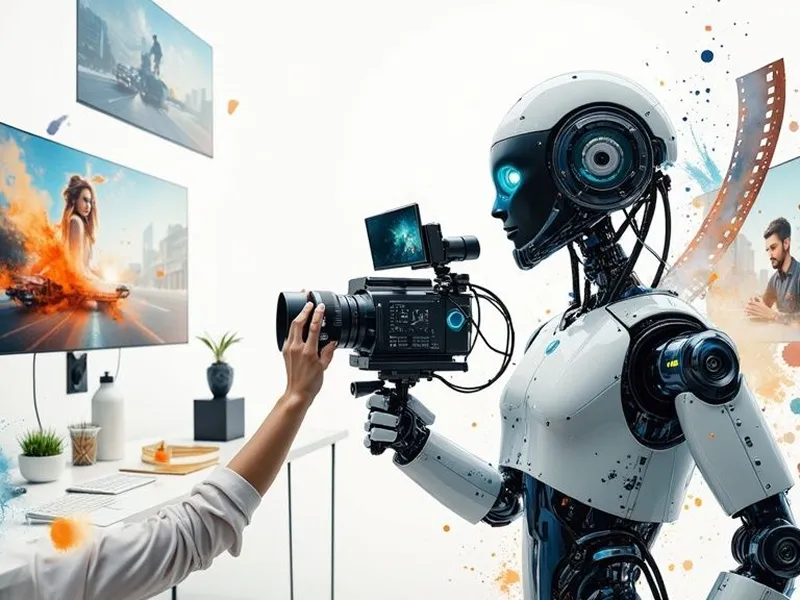
At the forefront of this creative revolution are AI-powered platforms designed specifically to transform static visuals into captivating video narratives. These tools are not merely about adding motion; they are about injecting life, emotion, and story into a single frame. By leveraging advanced machine learning models, they can interpret an image's context, depth, and elements to generate plausible and often stunning movement. This technology opens up a world of possibilities: a photograph of a product can subtly rotate to show all angles, a portrait can gain a gentle, cinematic breeze, or a landscape can have drifting clouds and flowing water. The ability to perform such transformations in seconds, rather than days, fundamentally changes the content creation workflow, allowing for rapid prototyping, A/B testing of visual assets, and consistent content output—a game-changer for anyone looking to enhance their digital presence.
Unpacking the AI Toolbox: Core Capabilities for Modern Creators
The true power of a modern AI content suite lies in the diversity and depth of its specialized tools, which go beyond simple video conversion to address common creative challenges. A comprehensive platform serves as a multi-faceted workshop, each tool designed to tackle a specific task, streamlining the entire content production pipeline from concept to final asset.
The centerpiece capability is undoubtedly the AI Video Generator. This tool acts as the engine for animation, using sophisticated algorithms to analyze uploaded or AI-generated images and impart naturalistic motion. Users can often influence the direction and intensity of this movement, allowing a portrait subject to slowly turn their head or a spaceship in a digital artwork to glide across a starfield. The result is short, seamless video clips perfect for social media stories, website banners, or email marketing campaigns that immediately draw the eye.
Complementing this are specialized features that solve everyday problems. The AI Face Swap Generator provides a layer of fun and versatility, enabling users to seamlessly transfer a face from one image to another. While ideal for crafting humorous memes or creative concept art, it also has practical applications in visualizing styles or exploring character designs. Privacy-conscious users can appreciate that these processed images are typically not stored indefinitely. For enhancing image quality, the AI Image Upscaler is an essential asset. It intelligently increases the resolution of low-quality or pixelated images, recovering detail and sharpness to make them suitable for print or high-definition displays without the blurry results of traditional scaling methods.
Furthermore, tools like the AI Image Extender offer creative freedom by allowing users to expand an image's canvas. Have a great photo that's cropped too tightly? Describe what should be in the missing area—be it more sky, an extended background, or additional architectural details—and the AI generates a coherent expansion, maintaining style and perspective. This is particularly valuable for adapting a single image to multiple social media platform aspect ratios (like Instagram Reels vs. YouTube Shorts) without awkward cropping. Finally, the AI Selfie Generator allows for the creation of customized avatar-like images from a photo and a text description, useful for generating consistent profile pictures or character visuals without a professional photoshoot.
Identifying the Ideal User: Who Benefits Most from This Technology?
This fusion of AI tools is not designed for a single niche but caters to a broad spectrum of creative and professional needs. Its user-friendly interface lowers the barrier to entry, making advanced visual effects accessible to non-experts, while its robust output provides value for seasoned professionals.
Social Media Influencers and Digital Marketers operate in a fast-paced environment where trend relevance and visual appeal are critical. The ability to quickly animate product photos, create eye-catching stories from existing gallery images, and produce a high volume of unique, engaging content is invaluable for growing and maintaining an audience. Small Business Owners and E-commerce Entrepreneurs can leverage these tools to create professional-looking promotional videos for their products without hiring a video production team. Animating product shots, creating dynamic ads for Facebook or Instagram, and enhancing product listing images with subtle motion can significantly boost conversion rates and brand perception.
Digital Artists and Photographers can use these platforms to explore new mediums and offer innovative services. Photographers can bring portrait sessions to life with subtle motion, creating modern "living portraits." Digital artists can animate elements of their illustrations, adding a new dimension to their portfolios and exploring concepts for animation projects. Content Creators and Bloggers across all niches can enhance their websites and YouTube channels by transforming static blog header images into animated intros, creating illustrative videos to explain concepts, or simply making their visual content more interactive and shareable.
Navigating the Creative Process: A Simplified Guide to Generating Your First AI Video
Embarking on your first AI video creation journey is a straightforward process designed for intuitive learning. Most platforms follow a logical, step-by-step workflow that guides you from a blank slate to a finished video.
The journey typically begins within the AI Image Generator, where you create your base visual. This involves selecting from a variety of pre-trained models, each with a different artistic specialty—some excel at hyper-realistic human portraits, others at fantasy landscapes, pixel art, or cinematic photography. The key to success here is crafting an effective text prompt. This is your creative directive for the AI. A well-written positive prompt clearly describes the main subject, style, mood, and details (e.g., "a weathered pirate ship sailing at sunset on a stormy sea, digital painting, dramatic lighting, highly detailed"). Equally important is the negative prompt, which tells the AI what to exclude (e.g., "cartoon, blurry, modern buildings, text"). Many platforms offer a prompt library for inspiration and learning.
Once you generate and select a satisfactory image, you transition to the video transformation phase. Here, you'll often find different video models that control the style of motion, along with parameters to adjust the motion's strength or intensity. A lower setting might create a gentle, breathing effect, while a higher setting produces more pronounced and dynamic movement. Some tools may offer camera control options to simulate pans, zooms, or rotations. After configuring these settings, you initiate the rendering process. The AI then processes the image, and within minutes, you have a short video clip. The final step involves exporting your creation in a standard video format, ready to be downloaded, shared directly to social platforms, or further polished in external editing software if desired.
Evaluating Your Options: Considerations in the AI Content Landscape
While the core technology is compelling, choosing the right platform involves weighing its strengths against potential limitations and alternatives. The primary advantage lies in accessibility and speed. The all-in-one nature of having image generation, editing, and animation in a single, web-based interface dramatically accelerates workflow. The provision of free initial credits allows for risk-free experimentation, and the pricing models are generally structured to be affordable for individuals and small teams. Additionally, some platforms foster a community aspect, providing galleries of public creations for inspiration and shared learning.
However, users should be aware of certain constraints. Creative control, while growing, can still be limited. You are guiding the AI with prompts and sliders rather than performing frame-by-frame animation, which may not suit projects requiring very specific, choreographed motion. The video outputs, though impressive, are usually short in duration (a few seconds) and may occasionally exhibit minor AI artifacts or distortions in complex scenes. Furthermore, login options might be restricted to social authentication methods like Google or Discord, which could be a minor inconvenience for some.
When evaluating the broader market, it's useful to consider specialized alternatives. Pictory, for instance, excels at converting long-form text like articles or scripts into structured video summaries with voiceovers and stock footage, making it a powerhouse for content repurposing. Synthesys specializes in creating videos with ultra-realistic AI avatars delivering spoken dialogue, ideal for corporate training, explainer videos, or personalized marketing messages. InVideo offers a strong balance of AI-assisted creation and robust traditional timeline-based editing, catering to users who want AI-powered ideation but also demand precise manual control over every element in their video.
In conclusion, the ability to instantly transform static images into dynamic videos represents more than just a neat technological trick; it signifies a fundamental shift in creative empowerment. By removing traditional barriers of cost and complexity, AI video generation tools are enabling a new wave of digital storytelling. For creators, marketers, and businesses aiming to stand out in a crowded digital space, mastering these tools is rapidly transitioning from an optional advantage to an essential component of a modern content strategy. The future of visual content is dynamic, and the tools to build that future are now readily accessible, inviting everyone to experiment and bring their static visions to life.